
Arab sweets, Greek pasta and an ice at breakfast
The cuisine that took the most from those who passed through, and gave nothing back.
Sicilian cooking is the sum of every occupation: the Greeks brought the olive and the vine, the Arabs rice, sugar cane, citrus, dried pasta and almonds, the Spanish the tomato and chocolate. The result is a cuisine in which sweet and savoury meet more than anywhere else in Italy.
Breakfast
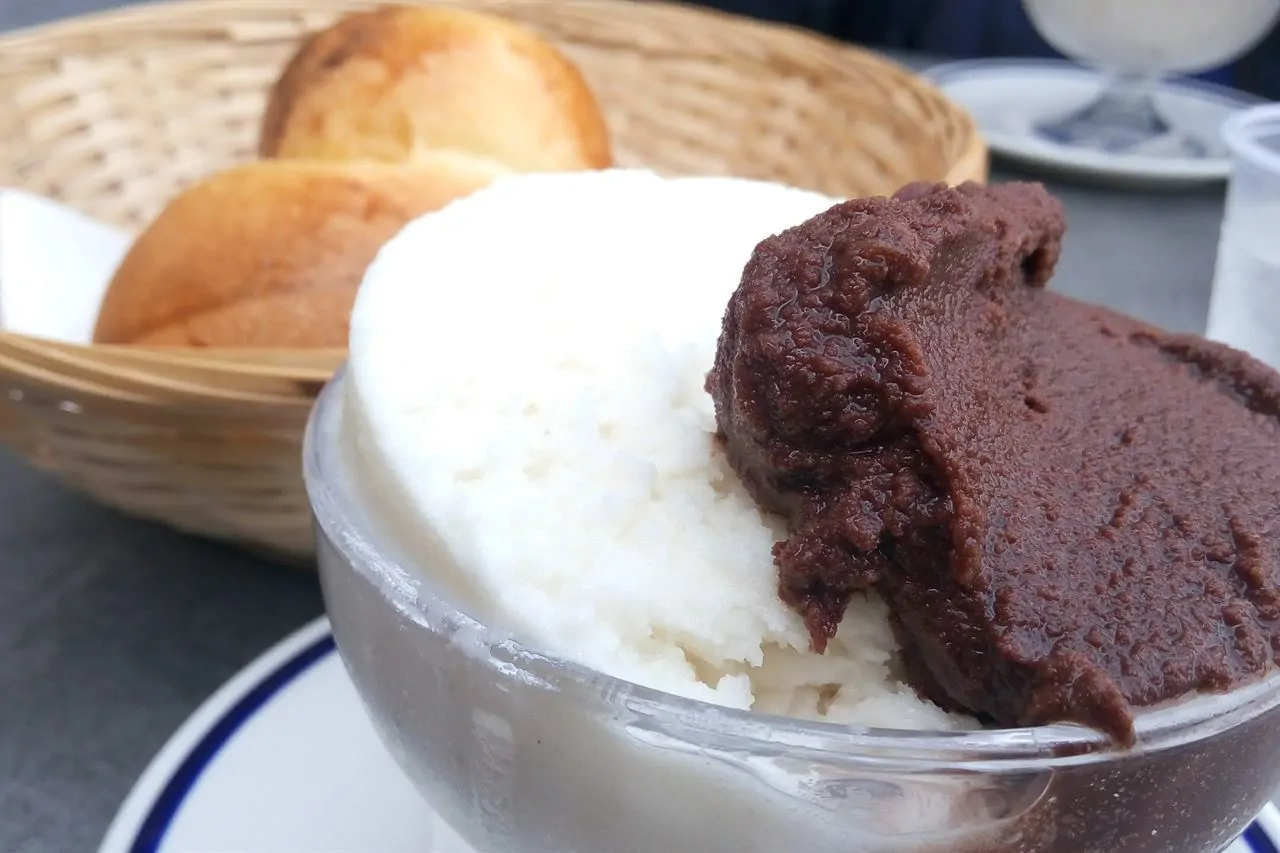
In Sicily the summer breakfast is granita and a brioche col tuppo: granita is not a drink but a water ice, made with almond, lemon, mulberry, coffee or pistachio, and you dip the sweet bread into it. It is the one Italian breakfast a nutritionist would disapprove of and that nobody would change.
First and second course
Pasta alla Norma, from Catania, has fried aubergine, tomato and salted ricotta. Pasta con le sarde, from Palermo, brings together sardines, wild fennel, raisins and pine nuts, and is the most obviously Arab recipe on the island. Trapani couscous is made with fish, and at San Vito Lo Capo it has a festival of its own. Caponata is sweet and sour and eaten cold.
The sweets
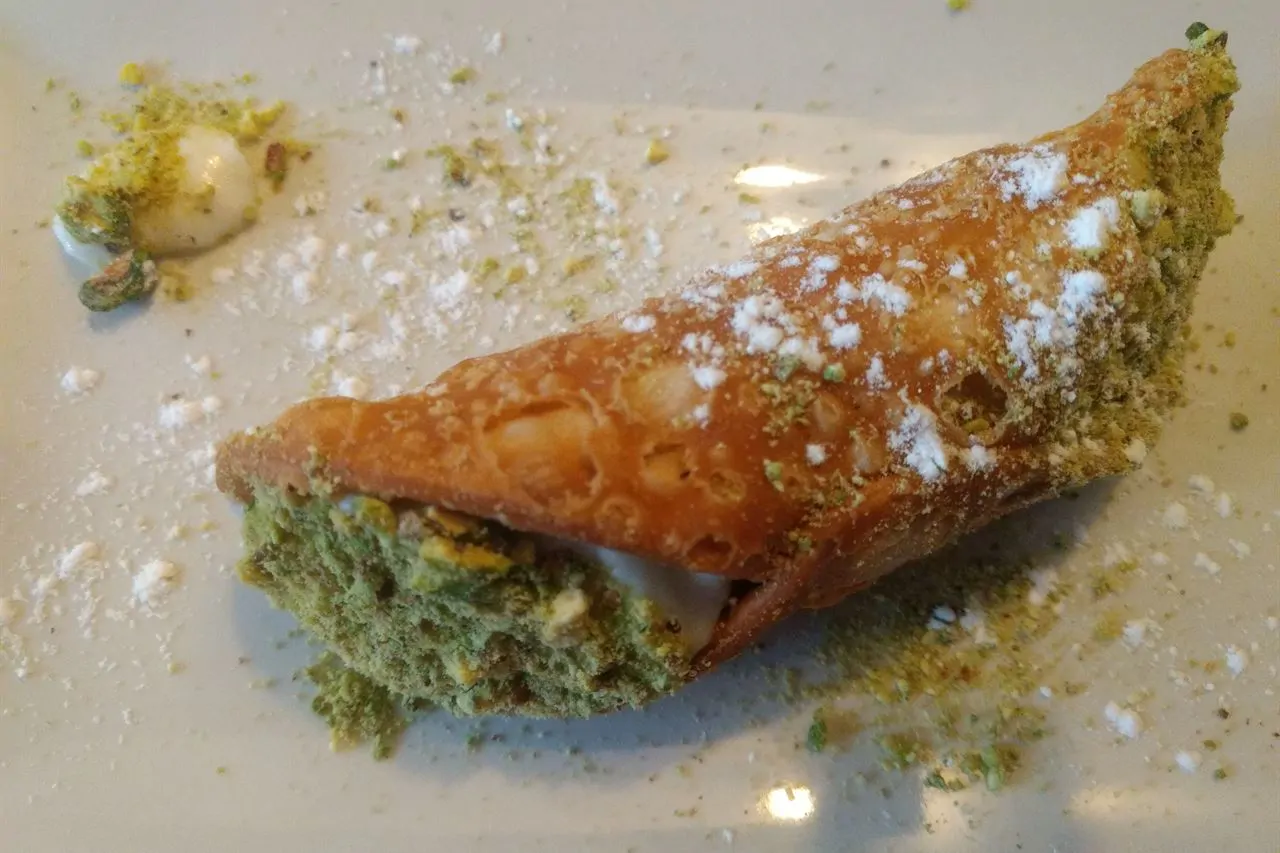
A cannolo is filled to order, and if you find it ready-filled change bar. Cassata is sponge, ricotta, marzipan and candied fruit, and it was born in a convent. Frutta martorana is hand-painted marzipan imitating real fruit. Modica chocolate is worked cold by a technique that comes from the Aztecs by way of Spain.
What to drink
Nero d'Avola is the most widespread red; on Etna, on volcanic soil at a thousand metres, they make Etna Rosso from nerello mascalese and Etna Bianco from carricante, which are among the most sought-after Italian wines of the last twenty years. Cerasuolo di Vittoria is the island's only guaranteed denomination. Then there are Marsala and the passito of Pantelleria.