
A volcano of three thousand three hundred metres, and it is not the only one
Mountains to the north, plateaux to the south, and wheat hills in between.
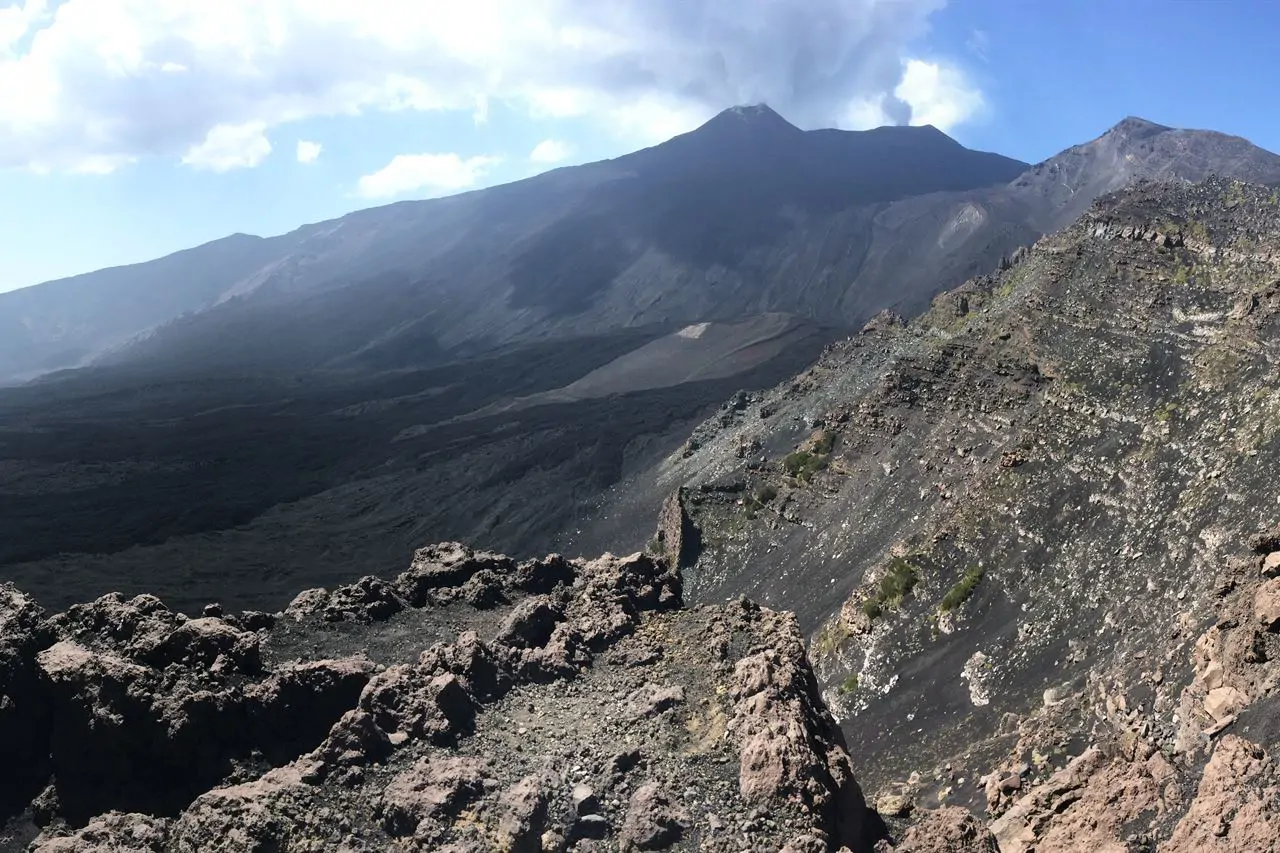
Sicily sits where the African plate pushes under the European one, and that explains almost all of its landscape: the volcanoes, the earthquakes that have rewritten whole parts of the island, the hot springs, the islands that surface and vanish. It is the Italian region with the most active volcanoes, and three of them erupt repeatedly.
Etna
It is the highest active volcano in Europe and it changes height with every eruption: lately around three thousand three hundred and fifty metres. It takes up a quarter of the province of Catania, has hundreds of side craters, and on its eastern flank opens the Valle del Bove, a depression five kilometres wide where almost all the lava ends up. It has been Unesco heritage since 2013 and a regional park since 1987.
The mountains
Along the Tyrrhenian coast run three ranges that continue the Apennines: the Peloritani above Messina, the Nebrodi with the largest beech forests in Sicily, and the Madonie, where Pizzo Carbonara reaches 1,979 metres and is the highest non-volcanic summit on the island. All three are regional parks, and it snows on them in winter.
The coasts and the islands
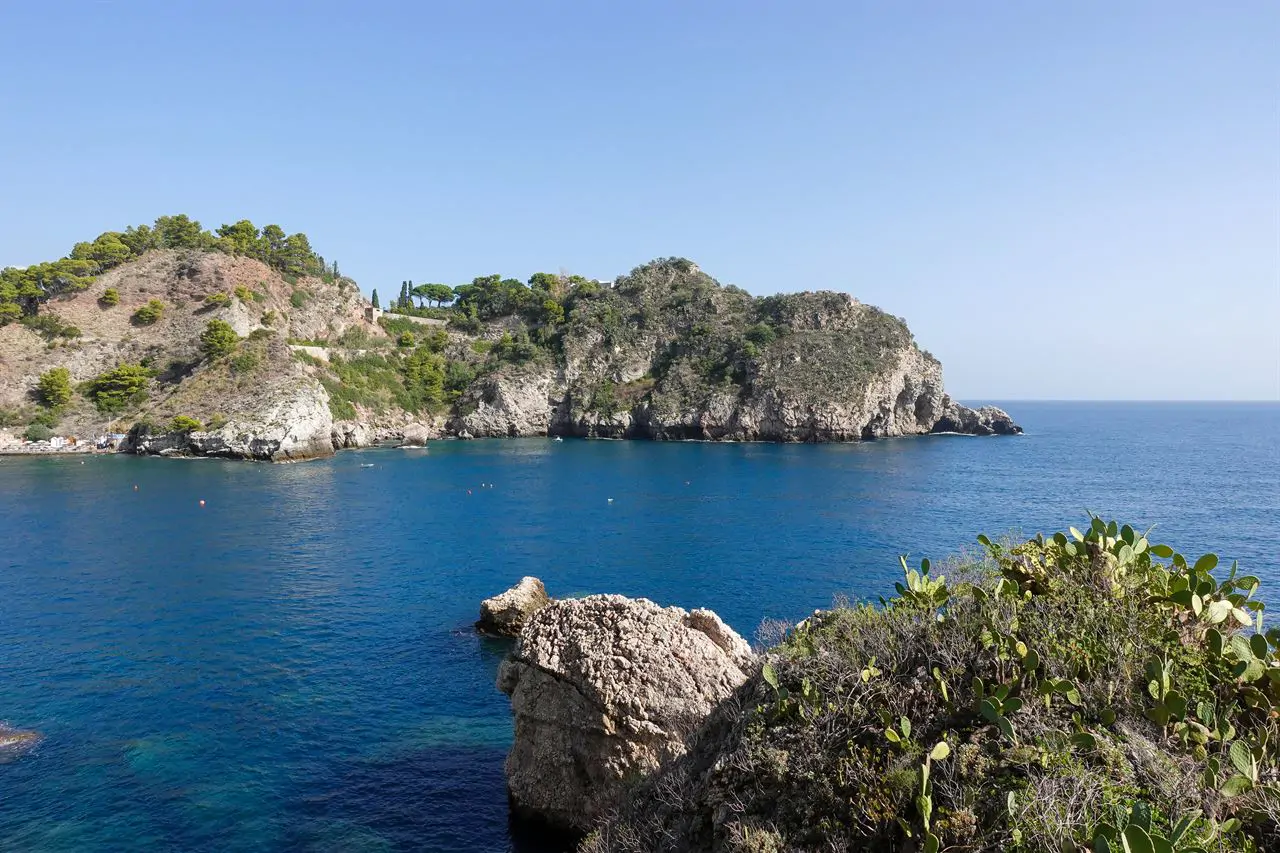
Eleven hundred kilometres of coast, of every kind: sheer cliffs around Messina and Trapani, very long beaches in the Ragusa and Agrigento areas, black lava rock below Etna. Around the island lie five archipelagos: the Aeolian, the Egadi, the Pelagie, plus Ustica and Pantelleria, which are single islands. Lampedusa, geologically, already belongs to Africa.
The interior
Between the mountains and the sea lies the Sicily almost nobody visits: clay hills sown with durum wheat for three thousand years, villages on top of the rises, and very little water. In June it is all yellow, in August burnt, and in winter it turns green for two months. The sulphur mines that shaped this landscape have been closed for decades.