
Four trips, and they are not enough
Trapani to Syracuse is four and a half hours: you base yourself twice.
In Sicily people nearly always make the same mistake: they book one base and spend the holiday on the motorway. The island is the size of half of Lombardy and not all the roads are fast. Better two bases, one in the west and one in the east, or else accept seeing a quarter of the island properly.
The Greek and Arab west
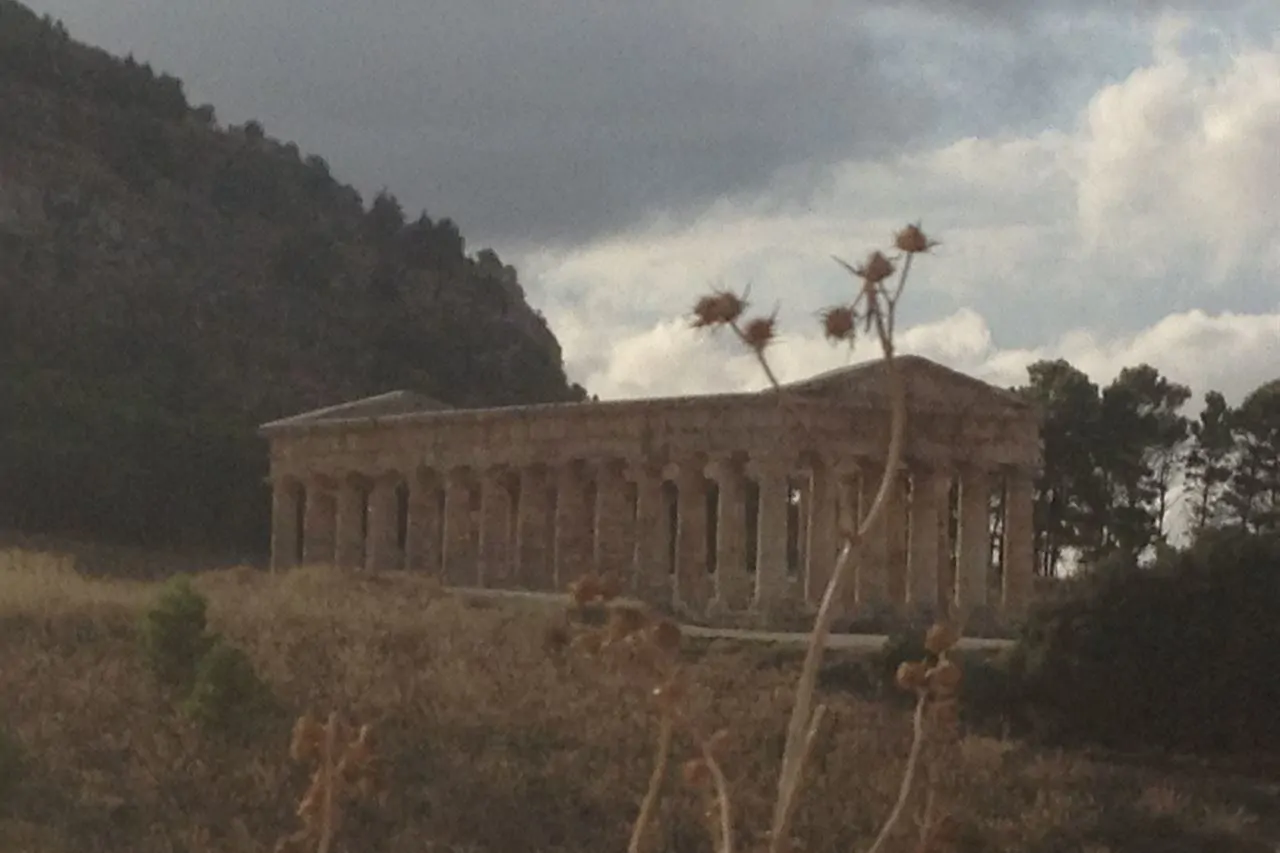
From Trapani you go up to Erice, which stands seven hundred metres above the city and in summer is the only cool place around, to the salt pans towards Marsala with their windmills and mountains of salt, and to Segesta, where an unfinished Doric temple stands among the hills with nothing around it. A little further down is Selinunte, the largest archaeological park in Europe.
Palermo and the north coast
Palermo is a layered city: the cathedral has a Norman facade and an eighteenth-century dome, the Cappella Palatina has Byzantine mosaics and an Arab ceiling. Outside the city are the cathedral of Monreale and, along the coast, Cefalu, with its rock and another Norman cathedral. All of this together has been Unesco heritage since 2015.
The baroque south-east
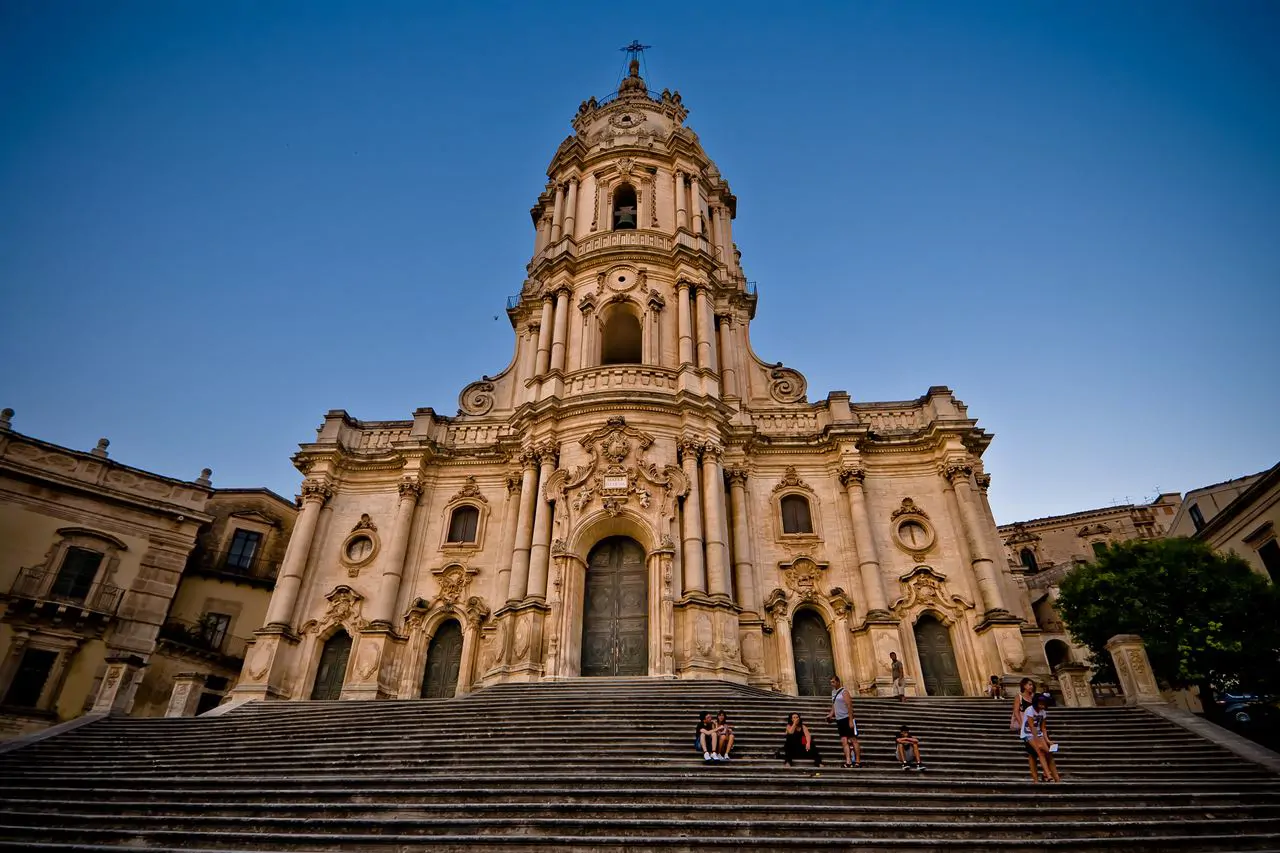
In 1693 an earthquake levelled the south-east of the island, and the rebuilding produced in fifty years a set of baroque towns all built at once: Noto, Modica, Ragusa Ibla, Scicli, Palazzolo Acreide. They have been Unesco heritage since 2002 and they are all half an hour from one another.
Etna and the Ionian coast
From the sea you drive up to the Rifugio Sapienza at nineteen hundred metres, and from there a cable car and four-wheel-drives take you near the craters; even without going up, the Silvestri craters can be walked round in half an hour. Below are Taormina, with the Greek theatre looking at Etna, and Catania, rebuilt in lava stone after 1693.